
Advanced tips to take your home cafe to the next level.
Brewing Without a Grinder — Whole Bean Cold Brew
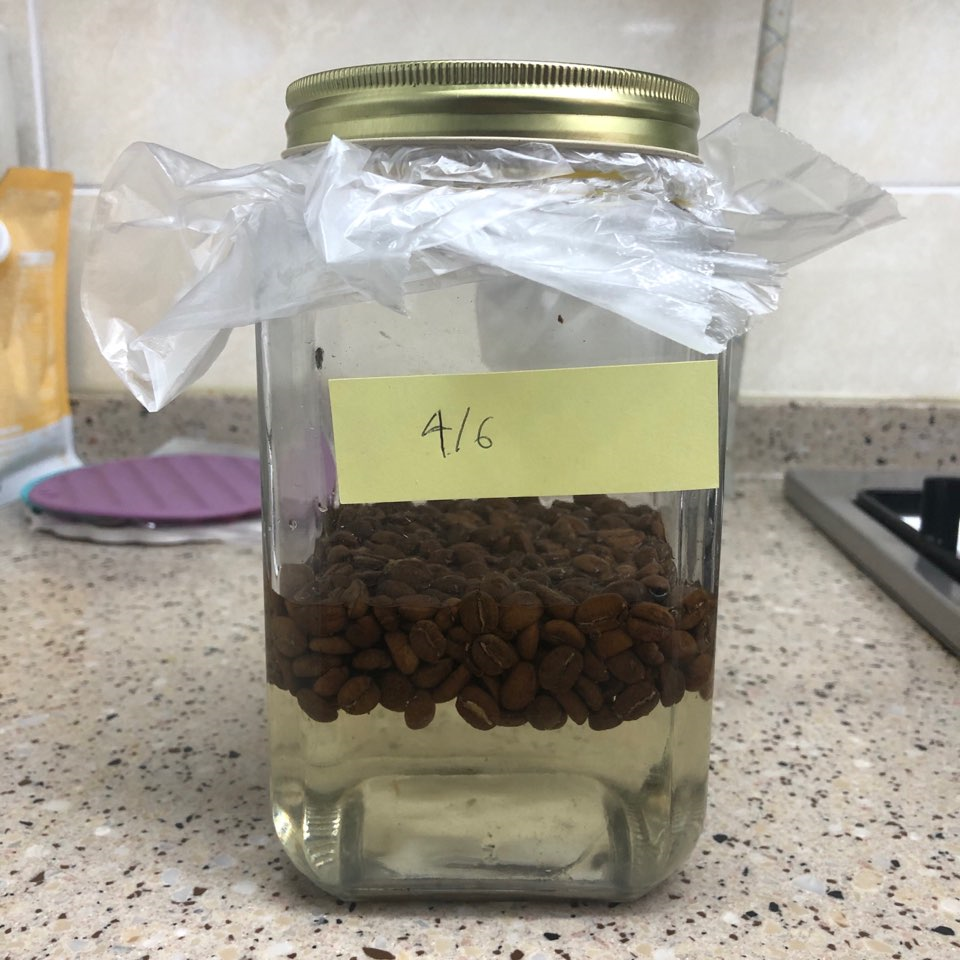
No grinder? No problem. You can steep whole unground beans directly in water.
- Ratio: Beans:Water = 1:20 (adjust to 1:15–1:20 based on preference)
- Duration: Minimum 2 weeks in the refrigerator
- Storage: Cover with plastic wrap to prevent the beans from absorbing fridge odors
After 2 weeks, the beans will settle to the bottom — at that point, it's ready to drink.
Vacuum Packing Coffee Beans
Vacuum packing eliminates oxygen exposure entirely, dramatically extending the shelf life of your beans. A 10×15cm nylon vacuum bag from a packaging supply store works well.
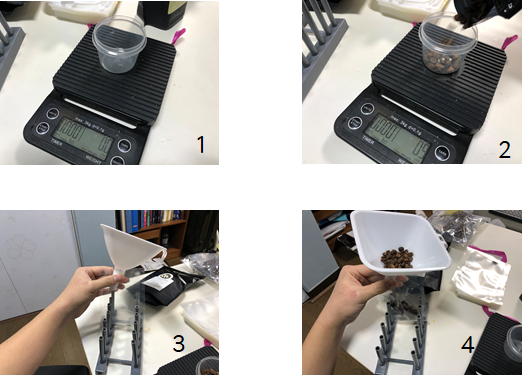
Step 1: Measure Weigh first. Pre-portioning into single-serve amounts (e.g. 15g) makes brewing easier. Use a funnel to load the measured beans into the bag.
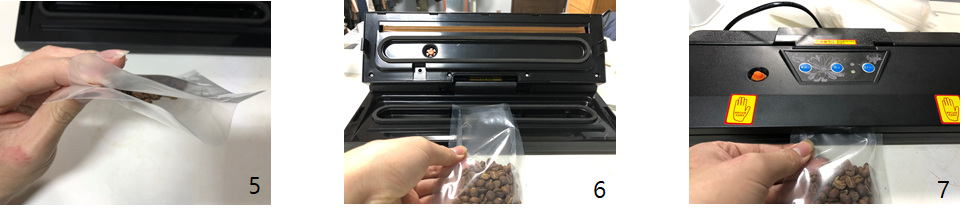
Step 2: Air Tunnel (the key step) Fold the bag opening in a Z-shape by rubbing it between your fingers to create an air tunnel. Maintain just the right amount of gap.
Step 3: Seal with the vacuum machine Hold the Z-fold in place and feed it into the vacuum sealer. Press the vacuum + seal button. Press the seal button once more for a complete seal.
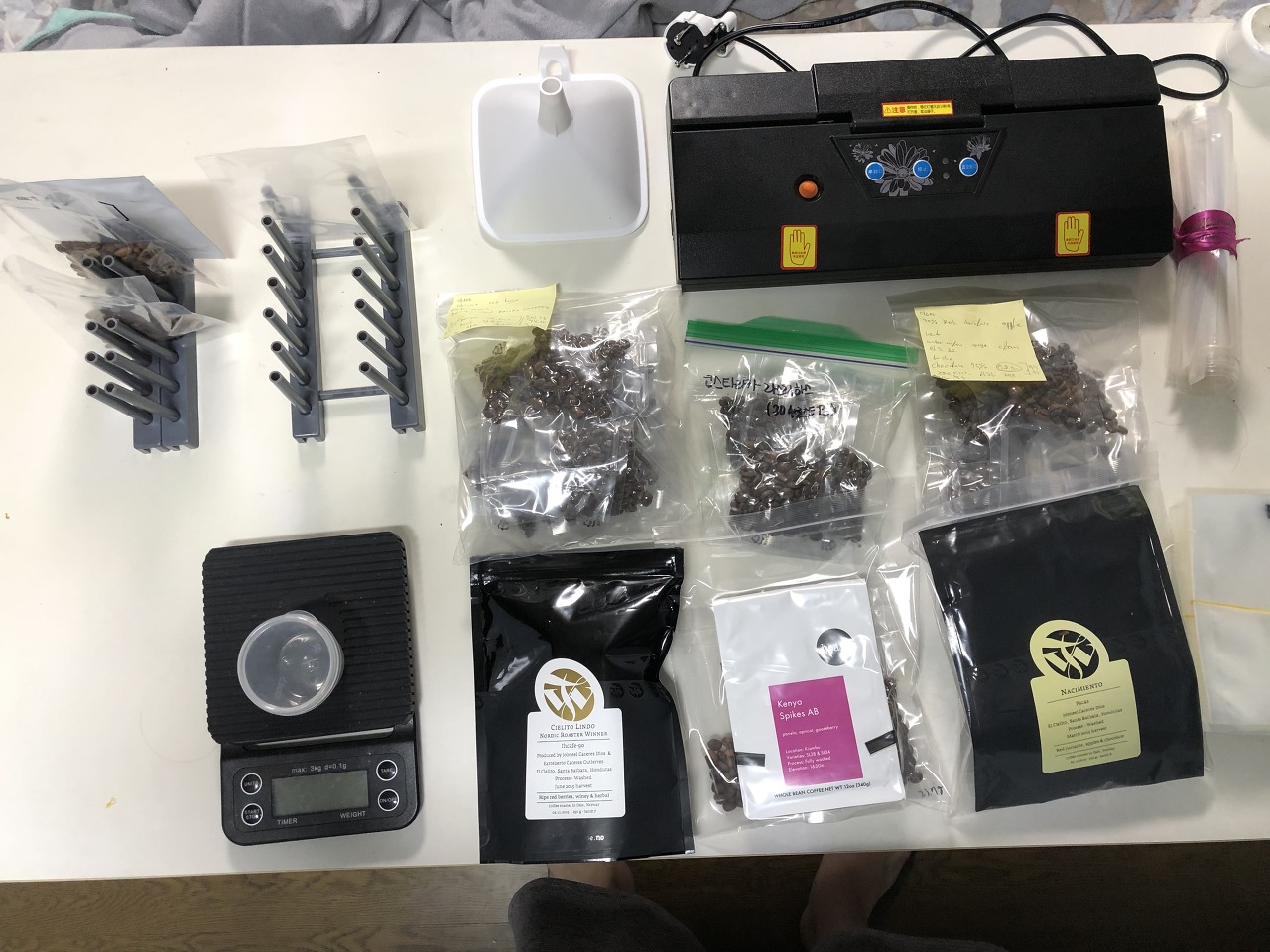
After sealing: Add a second seal pass to prevent the seal from opening over time. Even with vacuum packing, aim to consume beans within 1 month.
Freezing Coffee
Over time, even vacuum-sealed bags can show oil droplets forming on the inside of the packaging — a sign of oxidation. Freezing is the solution.
Vacuum-sealed coffee stored in the freezer is said to last at least 1 year, and potentially much longer with proper technique.
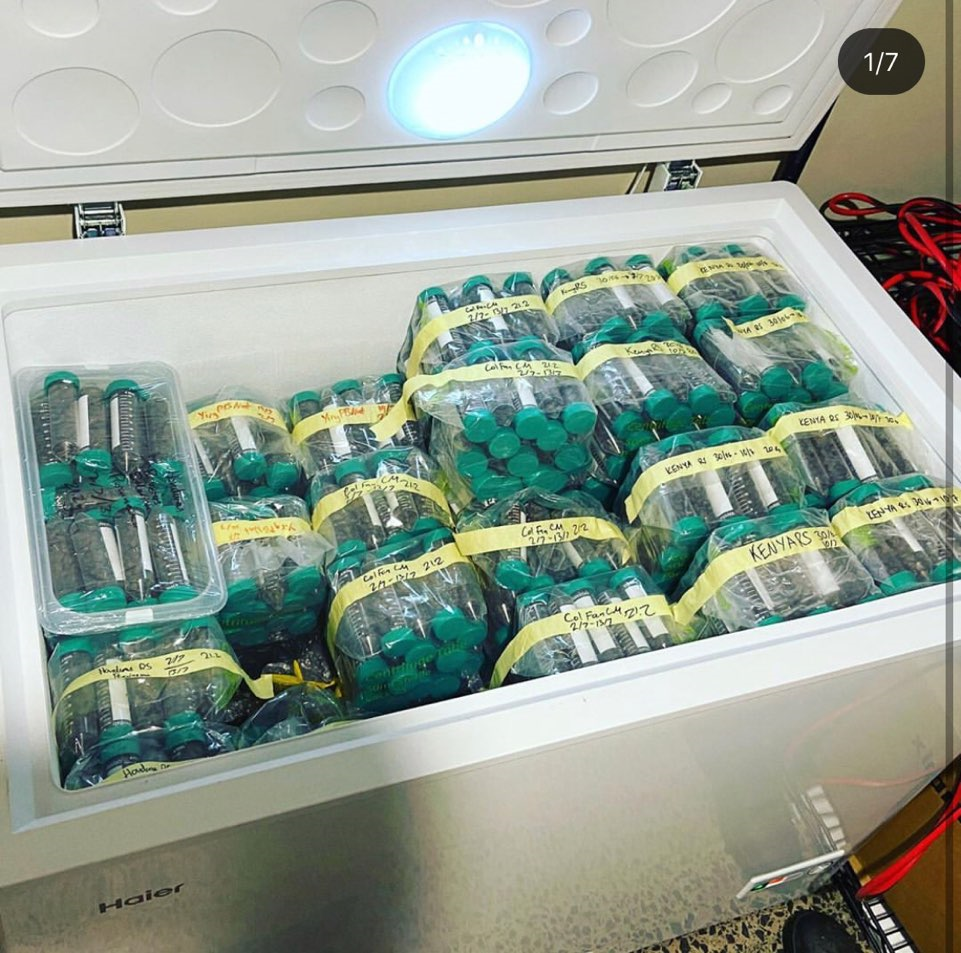
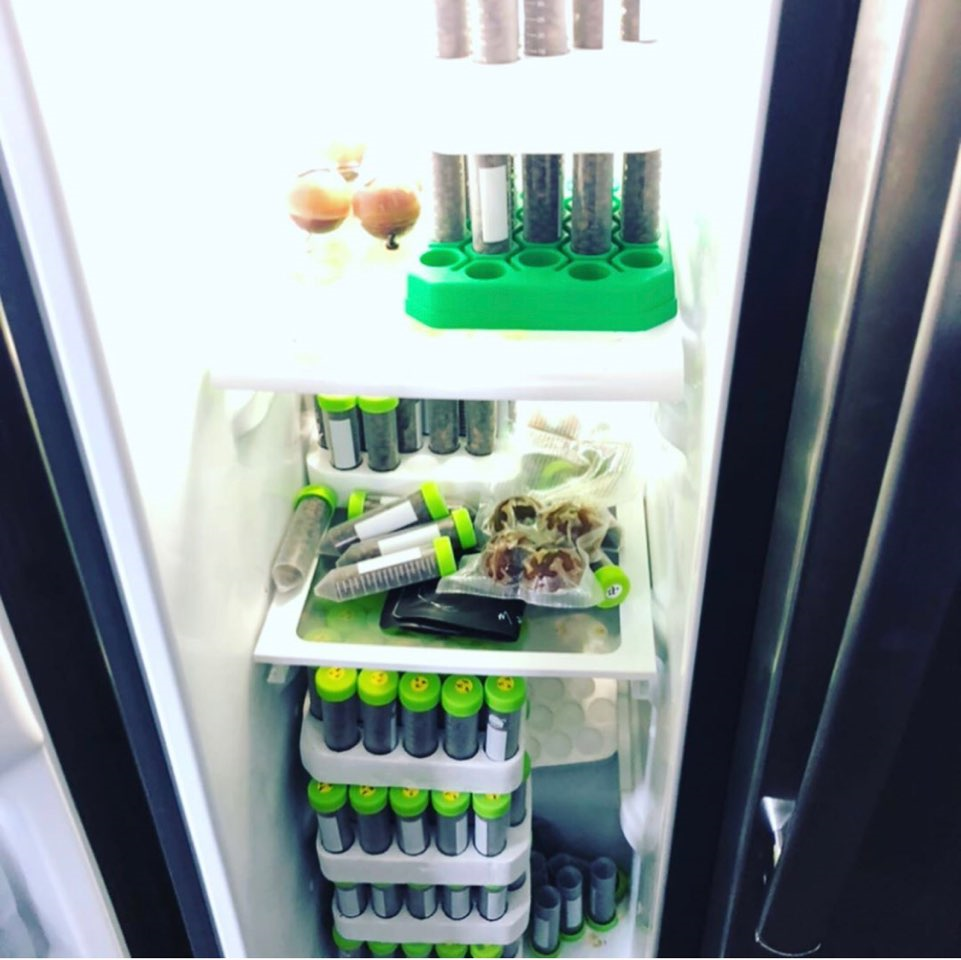
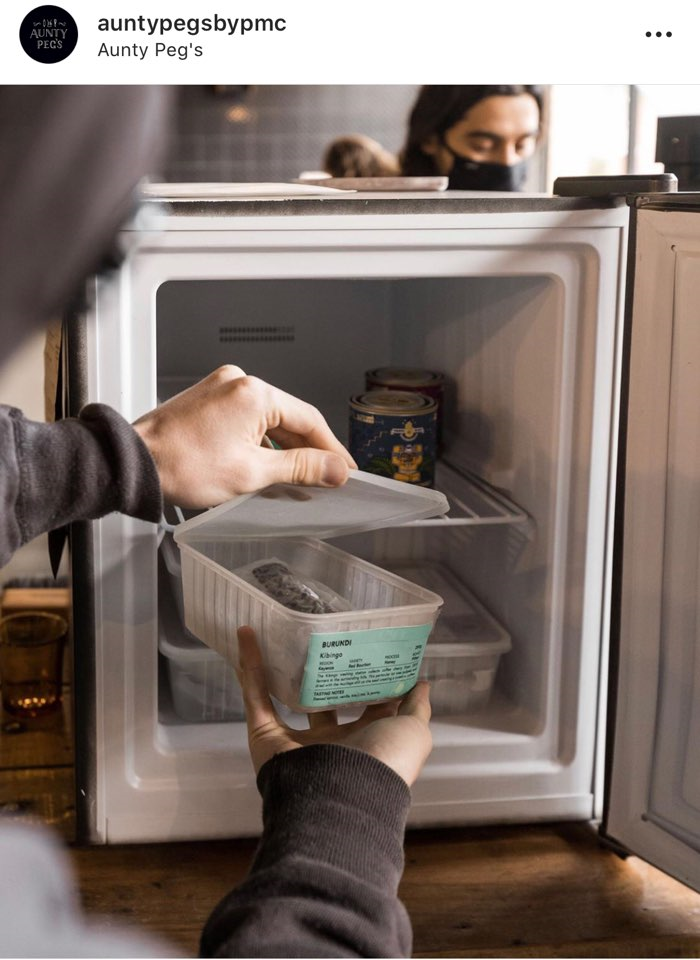
Method: Place vacuum-sealed beans in a freezer set to −20°C or colder.
Important rules:
- The vacuum seal must be airtight. Even a tiny gap allows freezer moisture to destroy the beans' flavor.
- Triple-seal recommended (single or double seals are not sufficient)
- Brew immediately after removing from the freezer — no thawing time needed
- Increase brewing water temperature by 1–2°C to compensate for the cold beans
ONA Coffee Roasters in Australia stores beans at −86°C or below. For home use, −20°C or colder is the best achievable option.
Recommended timing: vacuum pack the beans around 1 week after roasting, then freeze immediately.
Water Pouring Technique
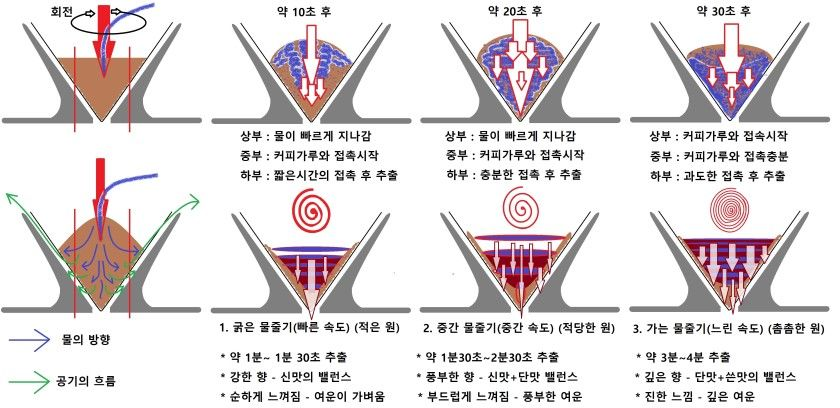
The thickness of your water stream determines how long water stays in the dripper. The more water accumulates inside, the faster it drains — leaving less time to extract desirable compounds.
- Thick stream (fast, large pour) → water rushes past the grounds → tends toward under-extraction
- Thin stream → longer dwell time → tends toward more extraction
If you're not confident in your pouring control, adjusting grind size or water temperature is a reliable alternative for dialing in flavor.
Bloom Time and Flavor
Reference video: https://www.youtube.com/watch?v=Ai5_3zqYEbY
A longer bloom opens up the bean's cell structure, allowing compounds to release more freely. However, an excessively long bloom can cause over-extraction with the same recipe.
30 seconds is generally appropriate. Adjust based on roast level and how long the beans have had to degas.
Pulse Pours vs. Continuous Pour (Hand Drip & Pour Over)
Today, "hand drip" and "pour over" are used almost interchangeably. But the traditional distinction:
- Pour Over (Western style) — one continuous pour after the bloom
- Hand Drip (Eastern style) — multiple smaller pours throughout extraction
What Is Nordic Coffee?
Norway is the world's second-largest coffee consuming country per capita. Nordic roasting is a style that goes significantly lighter than standard light roasting.
- Produces a tea-like quality while revealing more diverse fruit flavors and sweetness
- Extended shelf life due to the lighter roast preserving the bean's structure
Fines and Off-Flavors
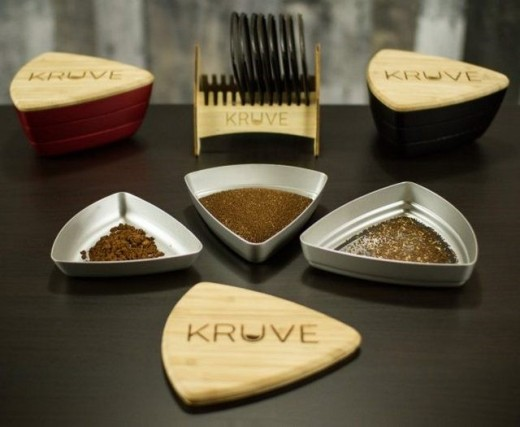
One of the main reasons grinder quality matters is fines suppression. Fines are coffee particles ground smaller than the target size.
Why fines are a problem:
- They extract compounds much faster than larger particles in hot water
- They clog the fine pores of the filter, slowing extraction
- They contribute off-flavors and a chalky, drying texture in the latter part of extraction
Starting with a quality grinder is the foundation. If fines are unavoidable, tools like a KRUVE sifter can help remove them.
Wilfa Grinder Size Guide
The dial on a Wilfa grinder can be confusing at first. Here's a reference guide from Square Mile Coffee.
AEROPRESS
Grind relatively fine. Set to the "R" in AEROPRESS on the dial.

V60
Varies by volume:
- 250ml (1 person): "P" in AEROPRESS
- 500ml (2 people): First "E" in AEROPRESS
- 750ml (3–4 people): Dot between FILTER and AEROPRESS

CLEVER DRIPPER
Between "O" and "P" in AEROPRESS. Based on the 400ml standard recipe.

FRENCH PRESS
Coarser than you might expect — but not too coarse. "O" in AEROPRESS.

AUTOMATIC BREWER
The coarsest setting. "T" in FILTER. Automatic machines dispense water slowly, requiring a coarser grind to prevent over-extraction.

These settings are starting points. Everyone has their own preferences — use these as a foundation and experiment from there!
That wraps up the complete Home Cafe Coffee Guide. It may feel unfamiliar at first, but the more you practice, the more joy you'll find in every cup. Enjoy the journey.