
Just like wine, coffee beans have distinct characteristics depending on their origin. In this chapter, we'll cover regional flavor profiles, where to buy beans, and how to store them properly.
Single Origin vs. Blends
A single origin coffee comes from one country — or even one specific farm in the case of specialty grades. Blends combine beans from multiple origins to create flavors and aromas that are difficult to achieve with a single origin alone.
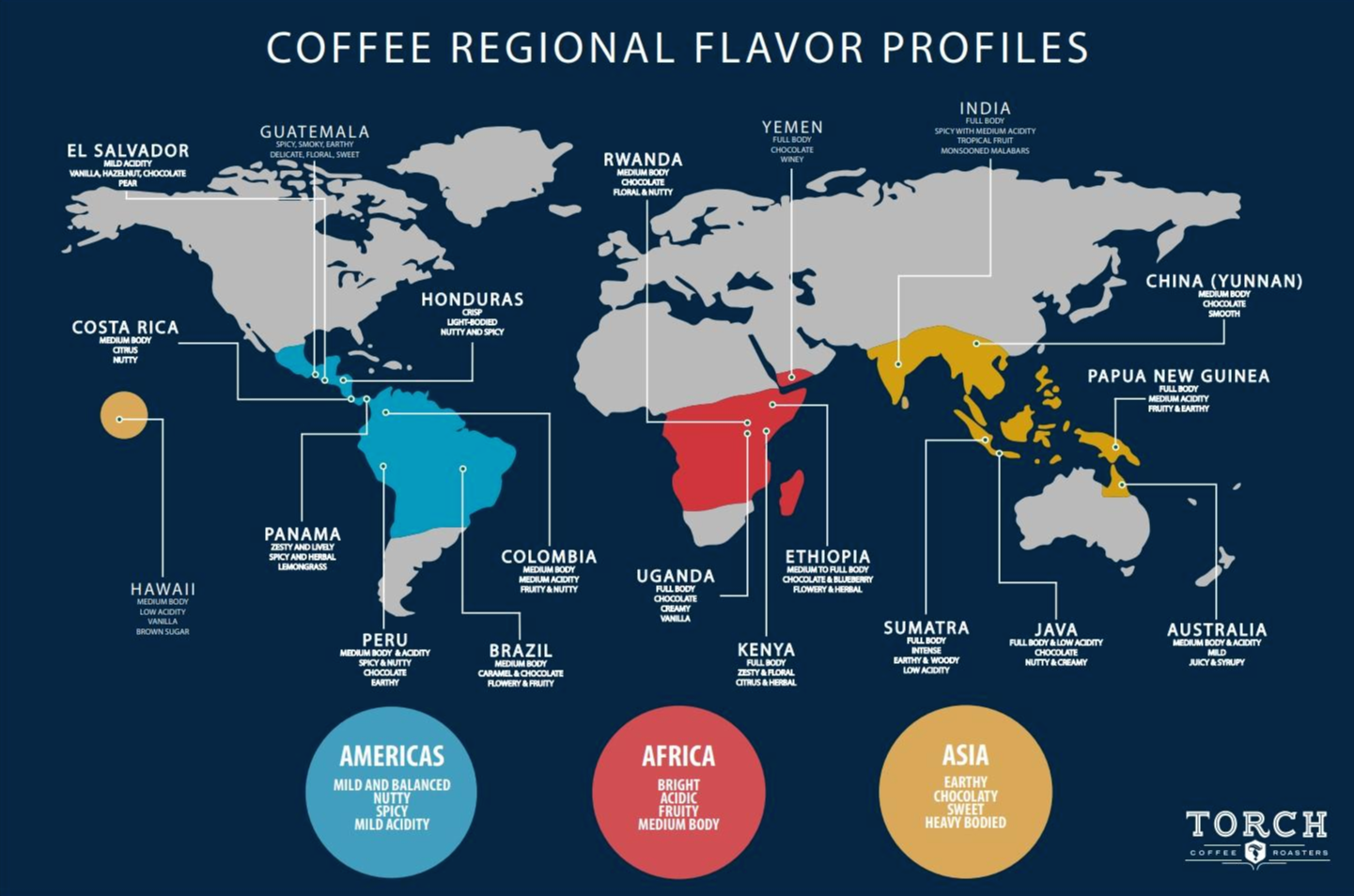
Coffee thrives in environments with ample sunlight, which is why it grows mostly near the equator — a region we call the Coffee Belt.
Coffee falls into two main species:
- Arabica — Superior aroma and flavor, lower caffeine. What you drink at most cafés.
- Robusta — Less flavor complexity, more resilient, higher caffeine. Common in instant coffee.
Think of coffee origins the way wine drinkers think of terroir — the continent matters.
Three continents define the world of coffee: Latin America, Africa, and Asia.
Latin America
Latin American coffees are mild, nutty, subtly spicy, and gently acidic with good overall balance. Think mild as the defining keyword.
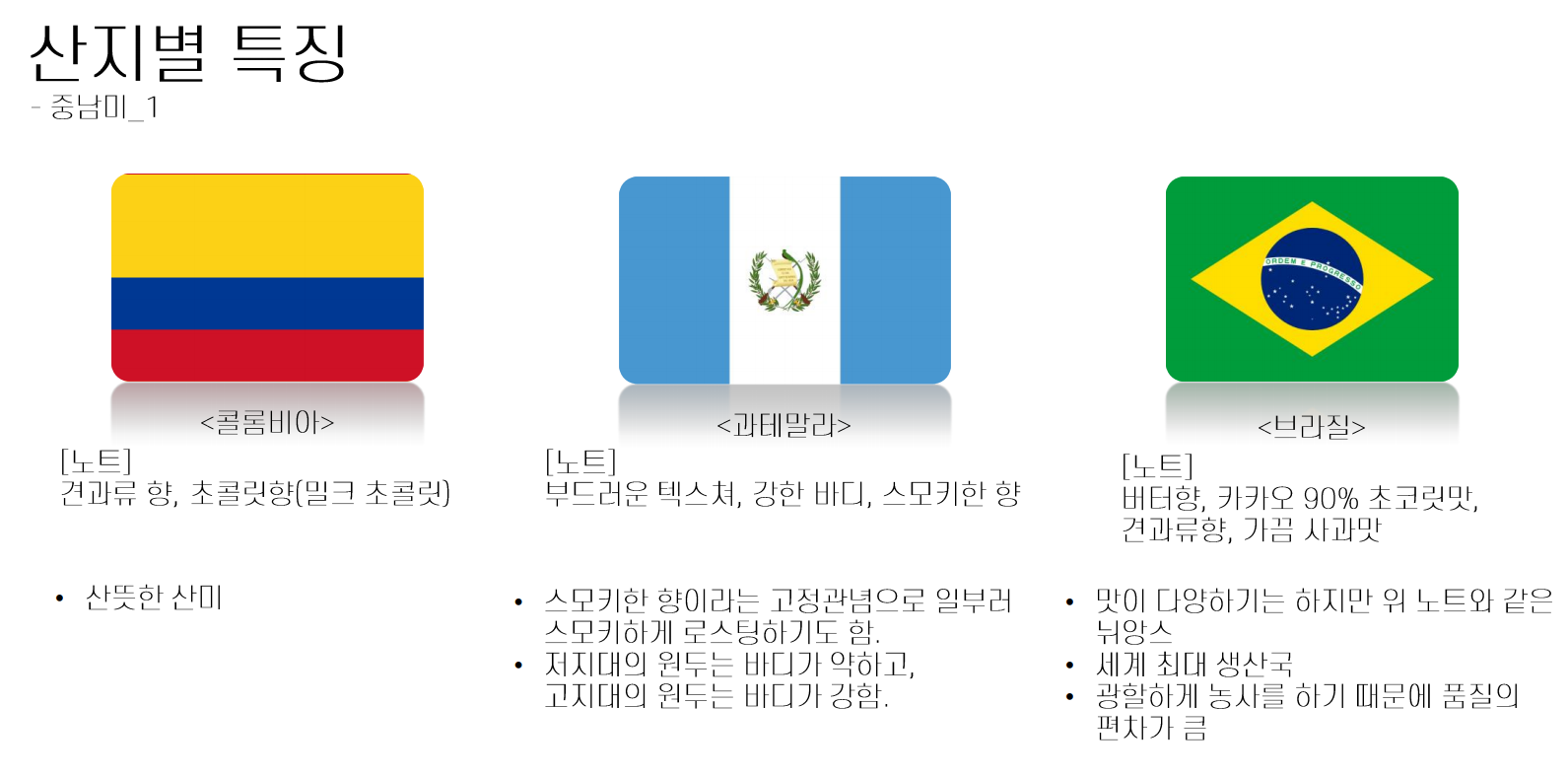
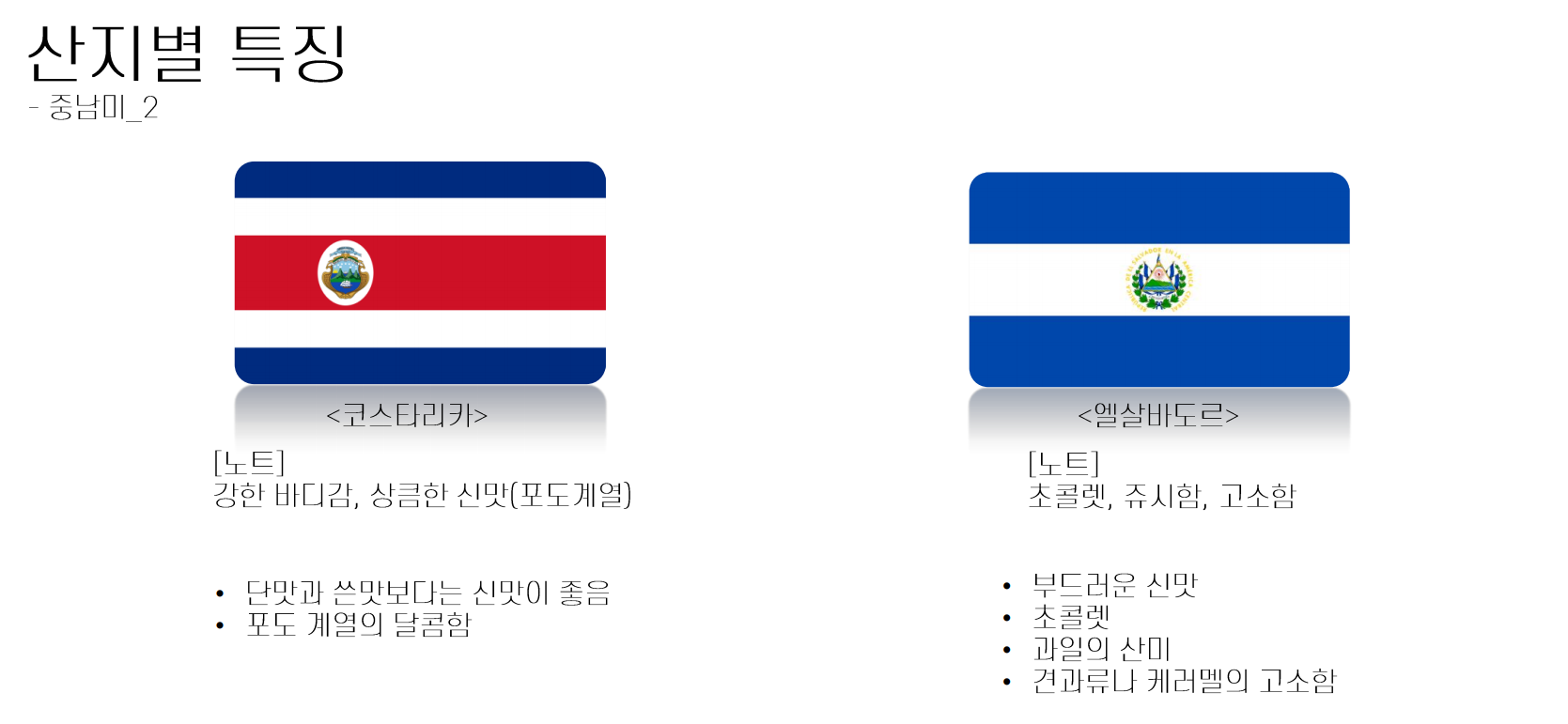
Key producing countries:
- Colombia — Milk chocolate aroma. Increasingly experimental with new flavor profiles.
- Guatemala — Strong body and smoky notes.
- Brazil — World's largest producer. Buttery, dark chocolate, and nutty flavors.
- Costa Rica — Sweet, with red wine and grape notes. Great for beginners.
- El Salvador — Bold body with nuttiness, fruit acidity, and caramel.
Africa
Africa is where coffee was born. Legend has it that an Ethiopian shepherd noticed his goats becoming unusually energetic after eating certain berries — and those berries were coffee cherries. African coffees are known for floral aromas and vibrant acidity.
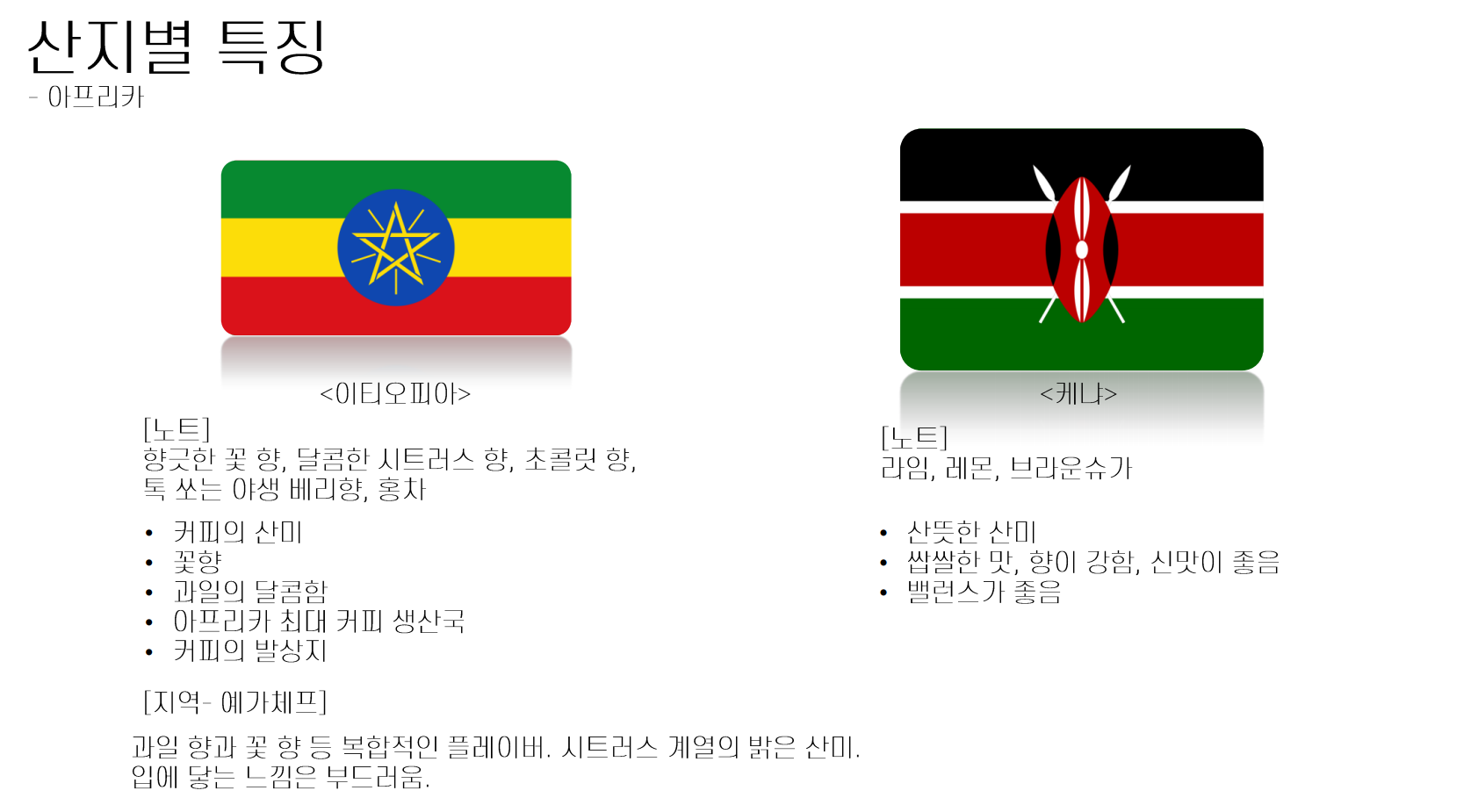
- Ethiopia — The birthplace of coffee. Floral, sweet acidity, chocolate, berry, and black tea notes. Ideal for those who love complex aromas.
- Kenya — Light lime and lemon acidity. Rich sweetness despite the reputation for sourness.
Asia
Asian coffees tend toward bitterness and earthiness due to regional geography.
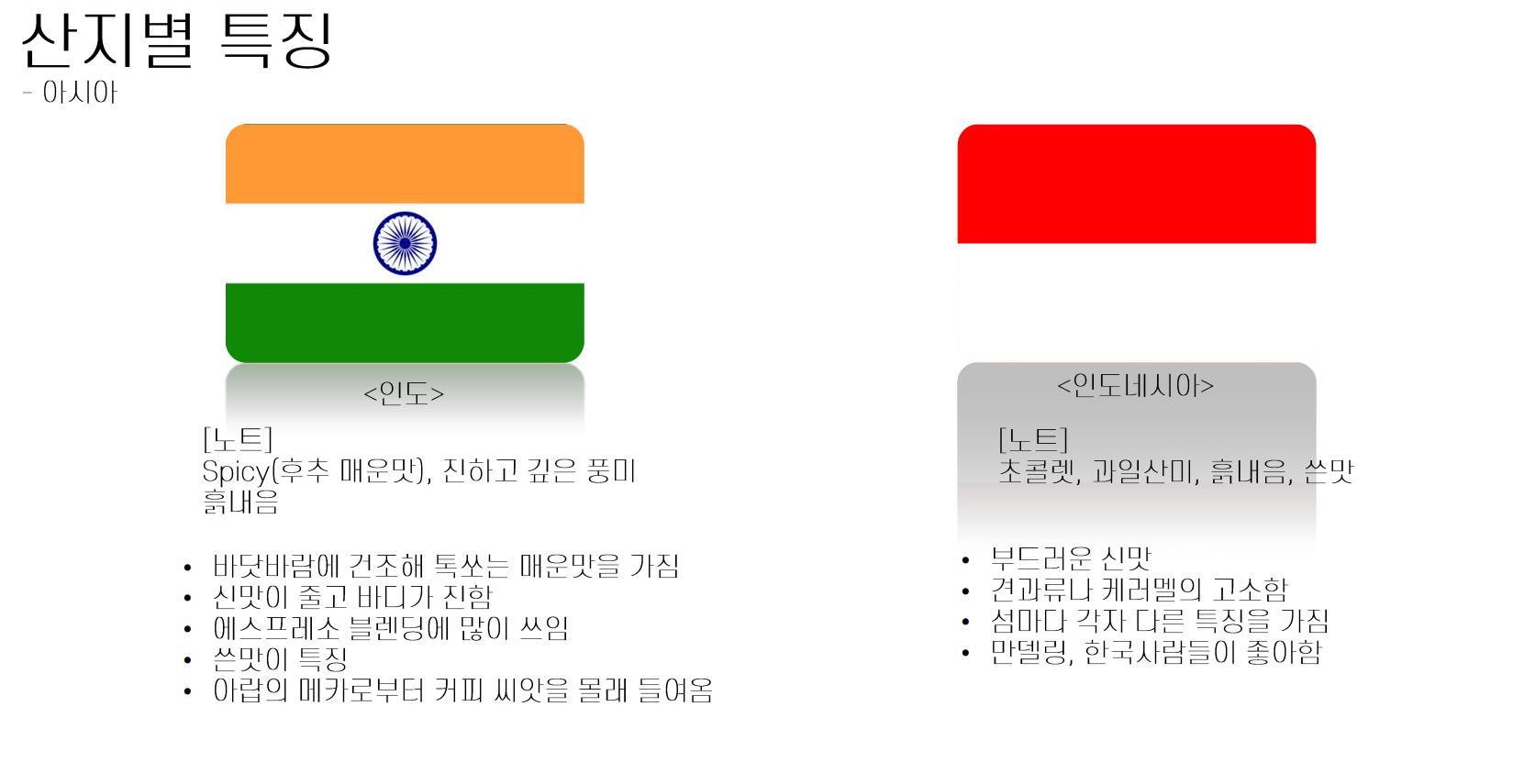
- India — Ocean-processed, giving a peppery, spicy edge. Often used in espresso blends for body.
- Indonesia — Diverse flavor profiles across its many islands. Sumatra's Mandheling is known for deep earthiness and bitterness; Java offers milk chocolate notes.
This overview is based on commercial-grade coffee. With specialty coffee, flavor profiles vary by farm, so treat these as general guidelines.
Processing
Processing refers to how farmers extract and prepare the coffee seed after harvesting.
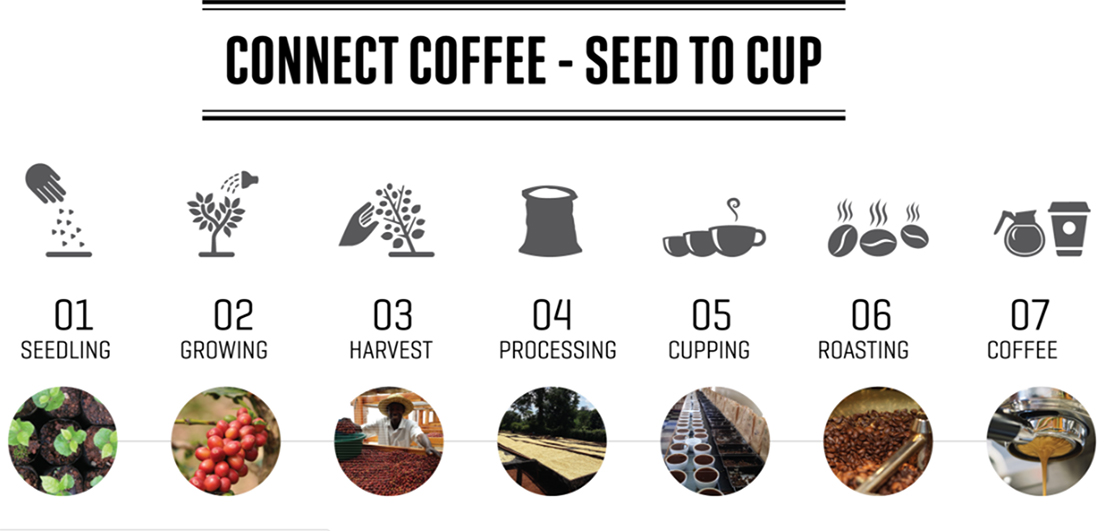
The four stages: Farm (growing & harvesting) → Station (processing) → Roastery (roasting) → Café (extraction).
Two primary processing methods:
- Washed — Removes fruit pulp before drying. Highlights sweetness and clarity.
- Natural — Dries the whole cherry with pulp intact. Amplifies fruity, wine-like flavors.
A newer method — anaerobic fermentation in sealed oak barrels — is gaining popularity for its intense, experimental flavors.
How to Read Bean Labels
Coffee packaging tells you a lot if you know how to read it.
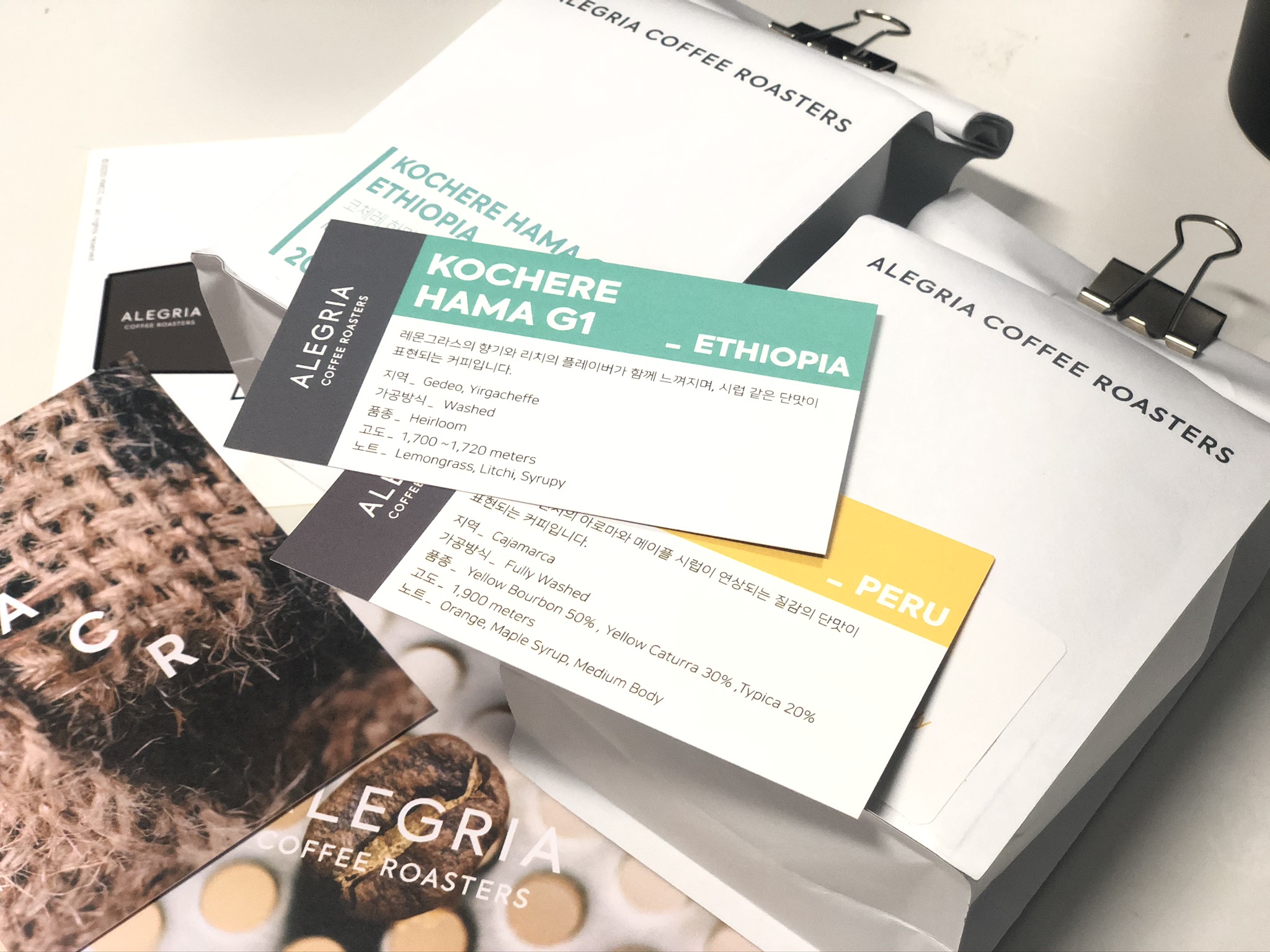
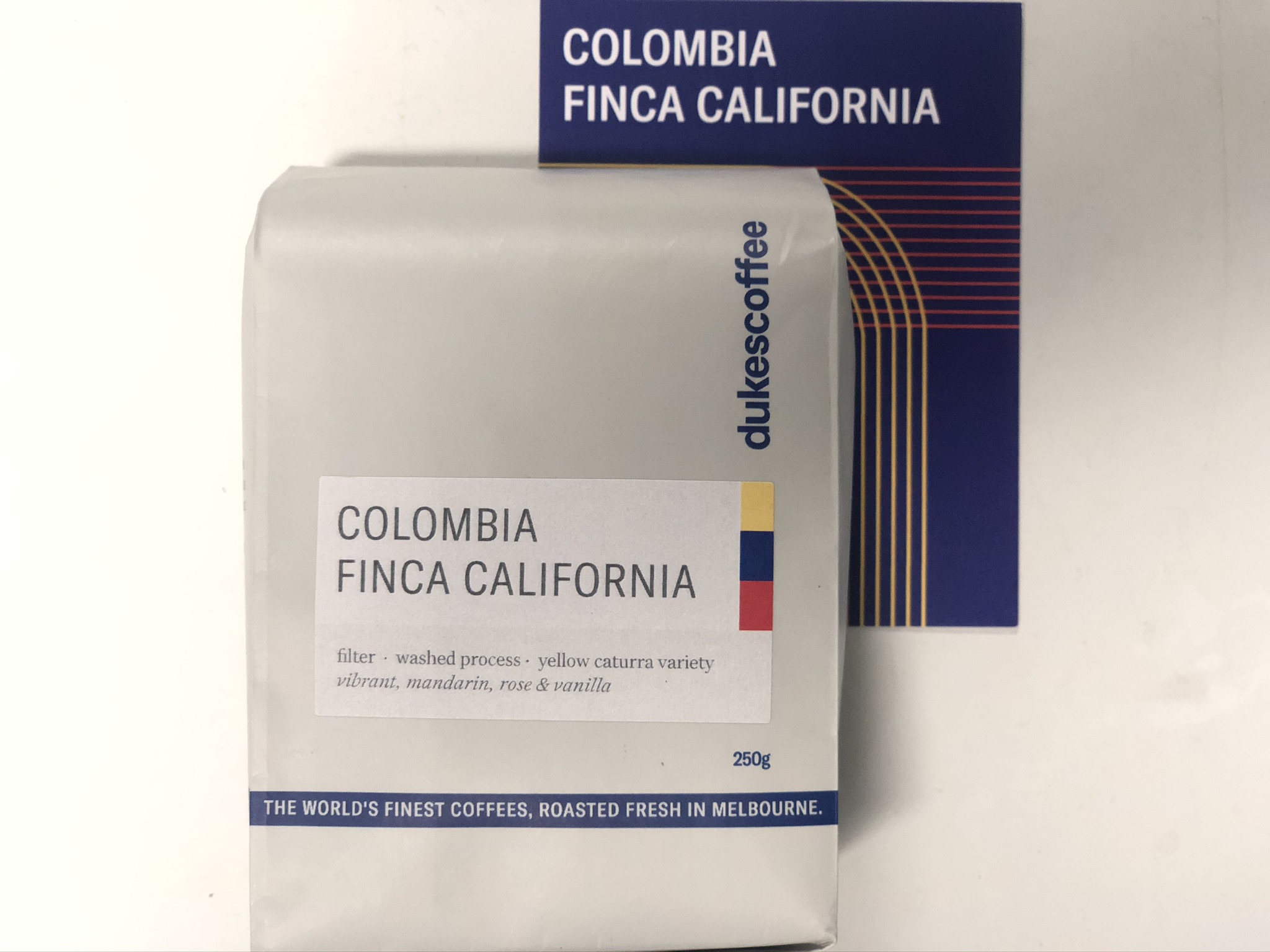
Example: Colombia Finca California Washed = Country + Farm + Processing
Key label elements:
- Bean Name — Blends use descriptive names; single origins use region/farm/grade
- Origin — Country or region
- Tasting Notes — Flavors the roaster detected through cupping
- Roast Level — Light / Medium / Dark
- Variety — Arabica, Robusta, etc.
- Processing — Natural, Washed, etc.
- Roast Date — 3–4 days post-roast is ideal to start; buy fresh-roasted if you plan to drink slowly
Roast Levels
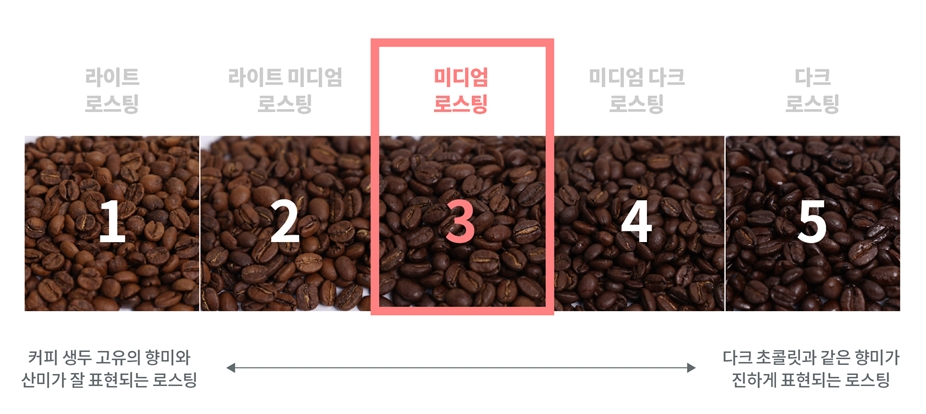
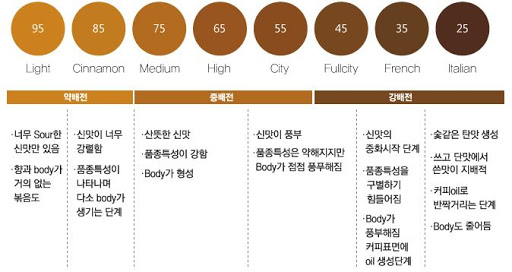
The brightness of the bean is called the roast level. Lighter = lighter roast; darker = darker roast.
Light Roast
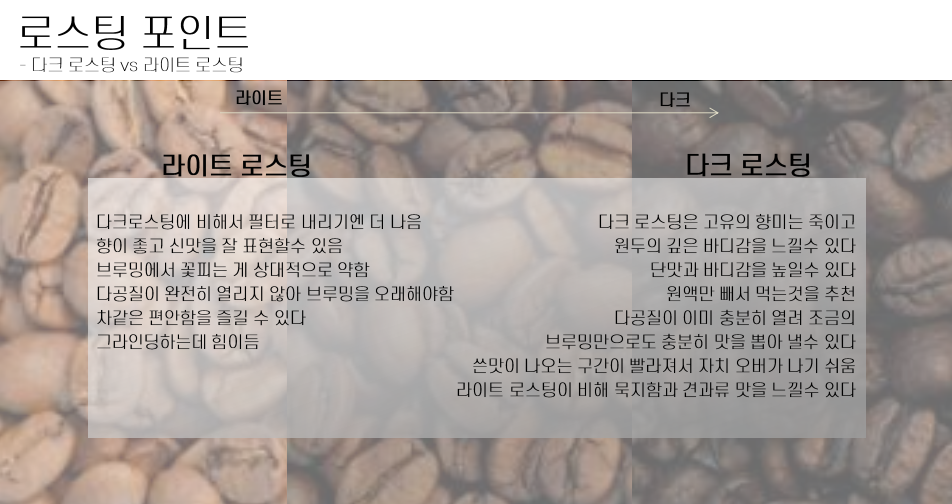
- Highlights diverse aromas and natural acidity
- Porous structure not fully open → needs longer bloom time
- Tea-like, delicate mouthfeel
Dark Roast
- Suppresses origin flavors; emphasizes body, sweetness, and nuttiness
- Porous structure fully open → shorter bloom time
- Easier to extract consistently
Where to Buy Beans
Online stores offer the widest selection and convenience.
Quality Korean roasters (around ₩8,000 / 200g):
- 1% Coffee — Balanced sweetness and nuttiness
- Thaset Coffee Roasters — Clean sweetness, lightest roast
- Reliable — Great Latin American selections, occasional COE beans
- Sosacoffee — Reliable and approachable
- Roasterick — Good aroma, selectable roast level
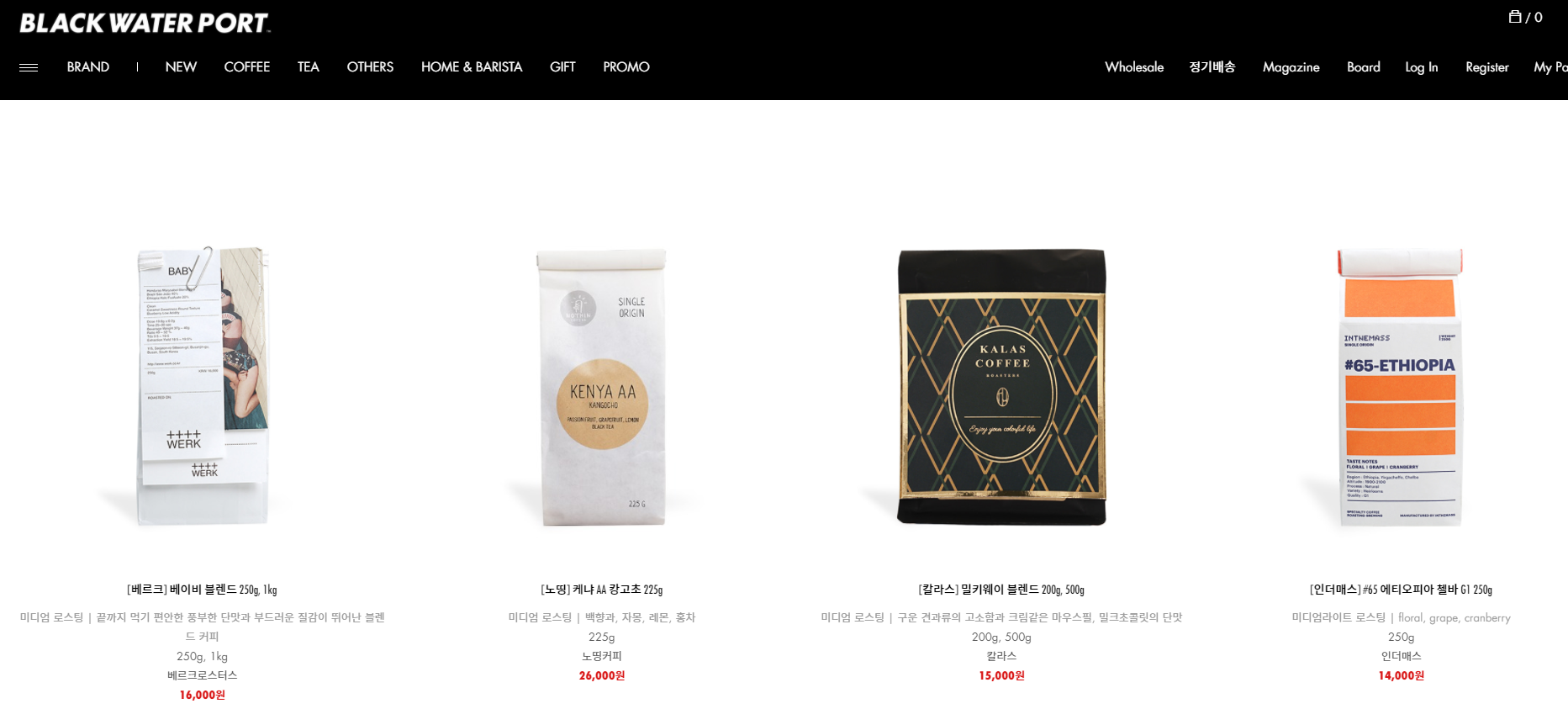
For broader variety, Blackwater Issue carries specialty coffees from around the world (around ₩16,000 / 200g). The Naver café Home Barista Club also runs monthly group-buy deals on high-quality beans.
Bean pricing is based on the green bean cost per 1kg. A ₩16,000 200g bag means the roaster paid ₩16,000 for 1kg of green beans.
How to Store Coffee Beans
Beans taste best starting 2 weeks after roasting, when CO₂ has dissipated and all flavor compounds are fully extractable. Aim to finish them within 1 month.
1. Basic Storage
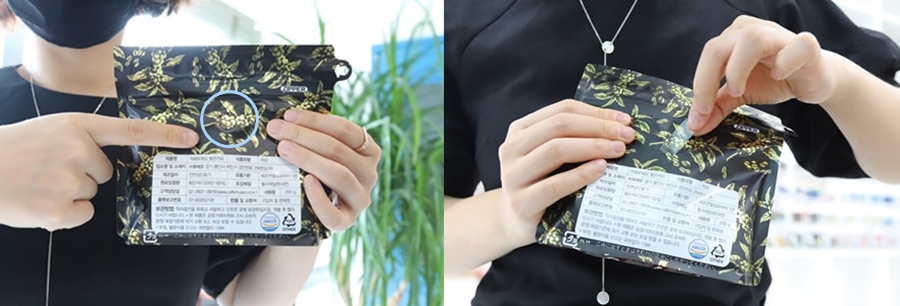
- Store away from light
- Keep in a low-humidity environment
- Squeeze out air before resealing
- Tape over the one-way valve to prevent aroma loss
Coffee absorbs surrounding odors easily. Never store it in the fridge unsealed.
2. Airtight Container
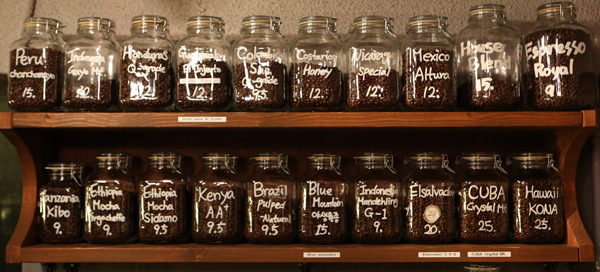
Use an opaque glass container — avoid plastic and transparent options. Remove air and seal before placing beans inside.
3. Vacuum Packaging
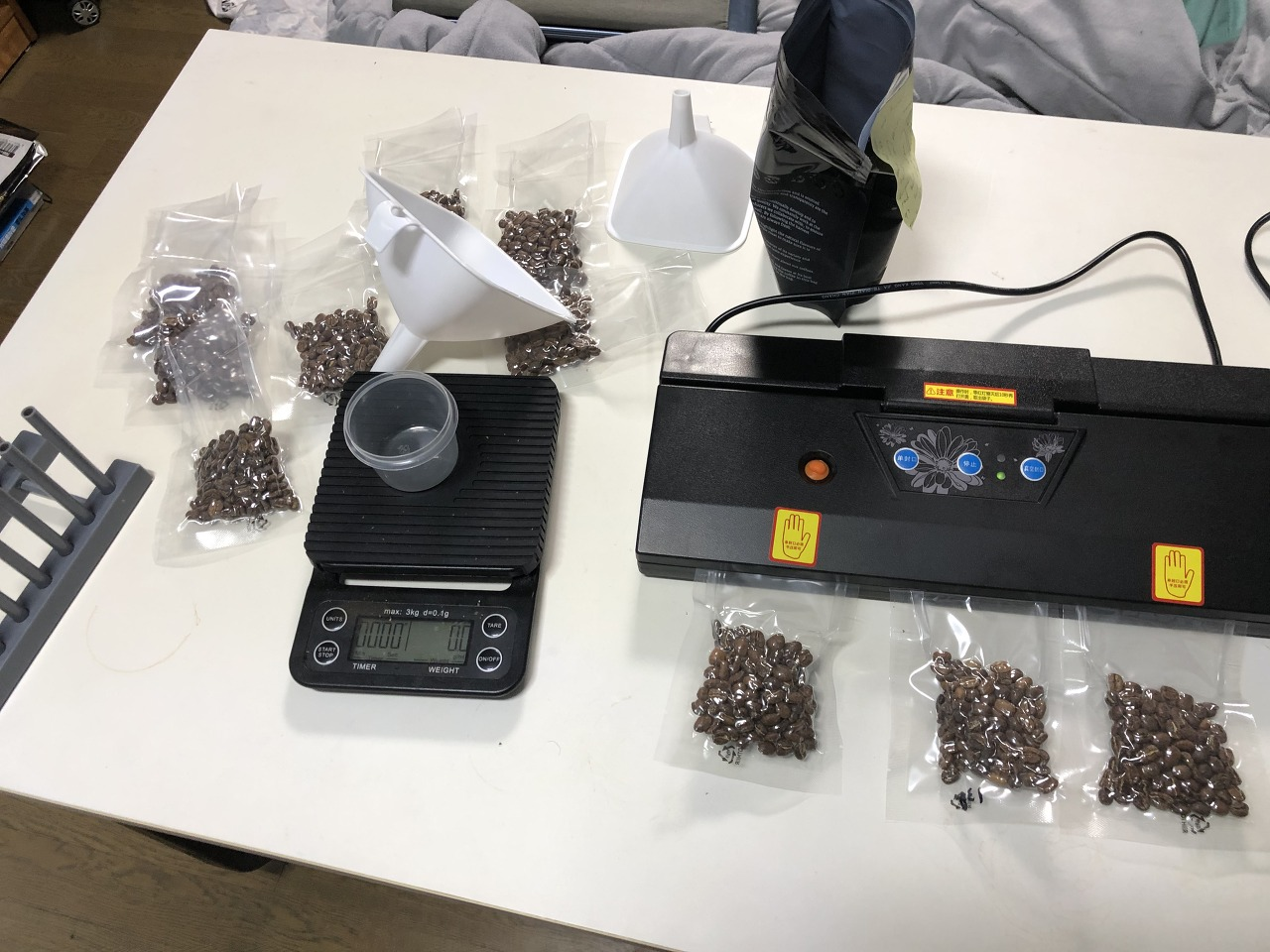
Vacuum packaging completely eliminates oxygen exposure, dramatically extending shelf life. Key rules:
- Portion into single-serving sizes
- Keep away from light
- Vacuum before beans hit peak flavor
Light roasts can last 6 months to 1 year; dark roasts about 3 months.
4. Frozen Vacuum Storage
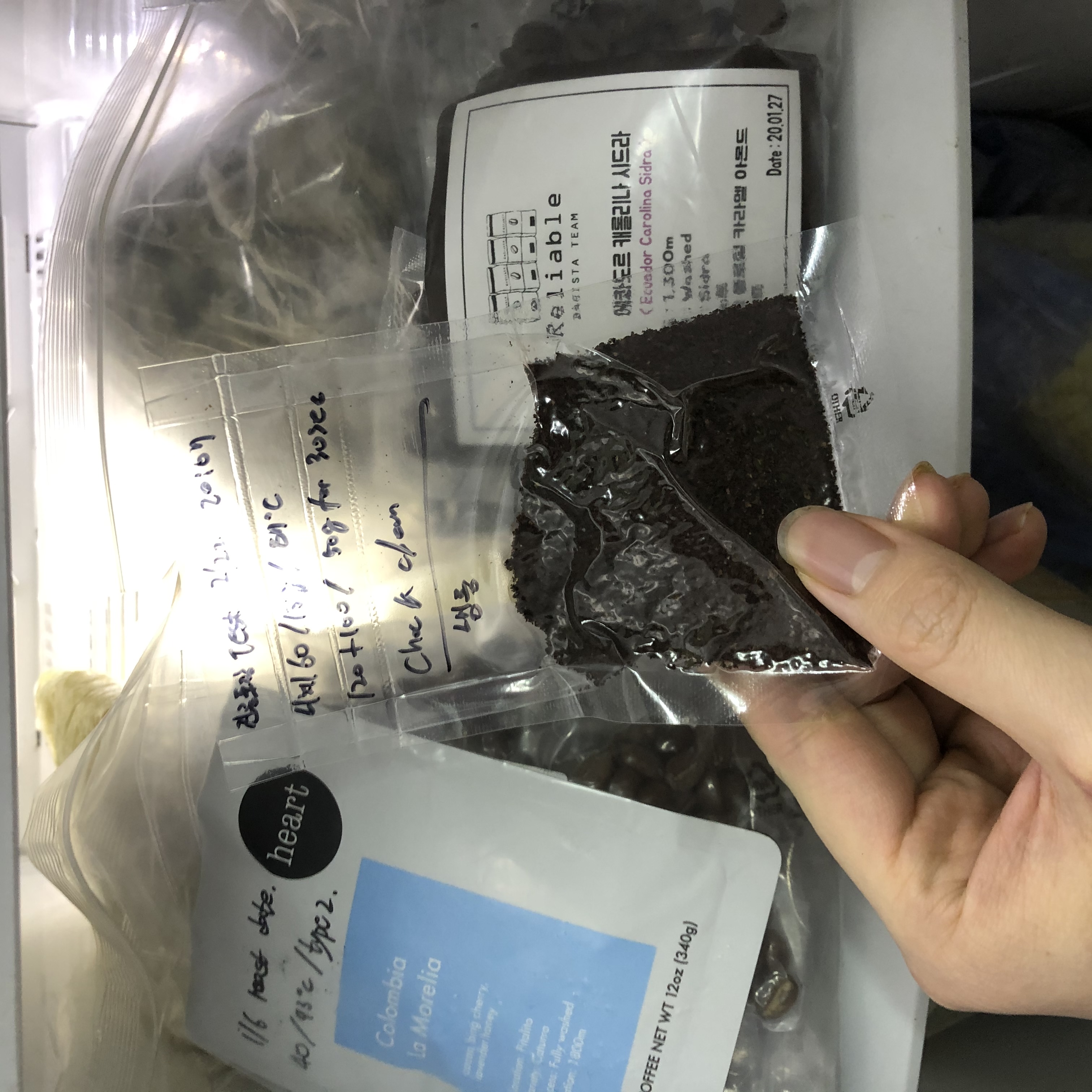
Freezing vacuum-sealed coffee extends shelf life indefinitely in theory. The catch: brew immediately after removing from the freezer. Great for keeping a variety of beans on hand, like a wine cellar.
Coffee Taste Preference Roadmap
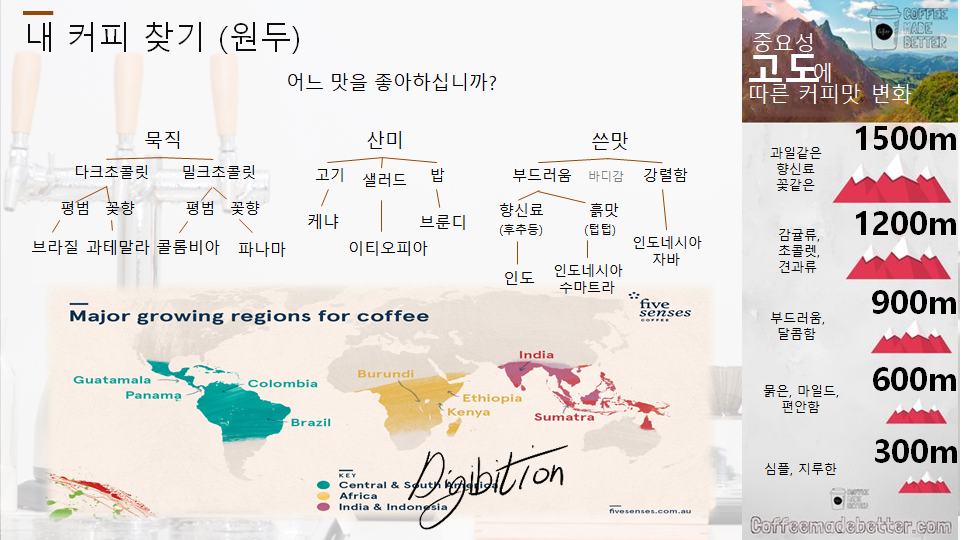
70% of your coffee's flavor comes from the beans. Use this roadmap to find the coffee that suits you best.
Next Chapter
Now that you understand beans, it's time to learn how to dial in the flavor. We'll cover coffee's 4 taste components, extraction variables, cupping, and how to use the Coffee Compass to find your ideal cup.