
Google is reportedly running an invite-only pilot (the AI Contribution Pilot) that pays sites that contribute to AI answers, and as of September 30, 2026 there is no official way to apply. The only thing confirmed by an official Google post is the announcement of a partnership pilot on June 18, 2026. The payments and the Search Console panel come from press reports, including Digiday on September 14. The scope is Gemini, AI Overviews and AI Mode answers. The payment formula and the eligible regions have not been disclosed. It is also unconfirmed whether Korean sites are included.
Three lines to start with
- In its June 18, 2026 post, Google announced a pilot to "partner in a new way with sites that contribute to the freshness and factuality of generative AI answers."
- On September 14, 2026, Digiday reported the details. Dozens of sites or more were reportedly invited, and a monthly revenue panel appears in Search Console. Google's official documentation does not yet confirm this.
- Google decides who is invited. No application path has been published. What you can do now is check whether your Search Console has the panel.
What the AI Contribution Pilot is starting
AI Mode and AI Overviews (in Korean) read several web pages for a query and write an answer from them. Pulling in web content as source material for the answer is called grounding. In its June 18, 2026 post, the Google public policy blog wrote: "Beyond news, we are piloting a new way to partner with websites whose content meaningfully contributes to the freshness and factuality of generative AI responses through the process of grounding."
According to the reports, the scope covers answers in Gemini, AI Overviews and AI Mode. The official post says only "generative AI responses" and names no products. The product names come from the press. Regular search results and AdSense are not part of the reported scope.
The Digiday report of September 14, Search Engine Roundtable and Search Engine Journal carry the same story. It is an invite-only pilot in which Google pays sites whose content "substantially contributes" to answers. Contribution is judged at the stage where the answer is built. Being cited with a link in an answer reportedly does not trigger payment automatically. Google described the program to Digiday as an "early-stage learning pilot." Start and end dates and any plan for a full launch have not been disclosed. This is a pilot applied to some sites, not a policy change with an effective date.
The Information, cited by Techmeme on September 30, reports that Google is paying about 100 digital publishers and that amounts vary widely. We could not verify the original, so treat this single-source figure as reference only. It does not conflict much with Digiday's "dozens of sites or more."
What appears in Search Console
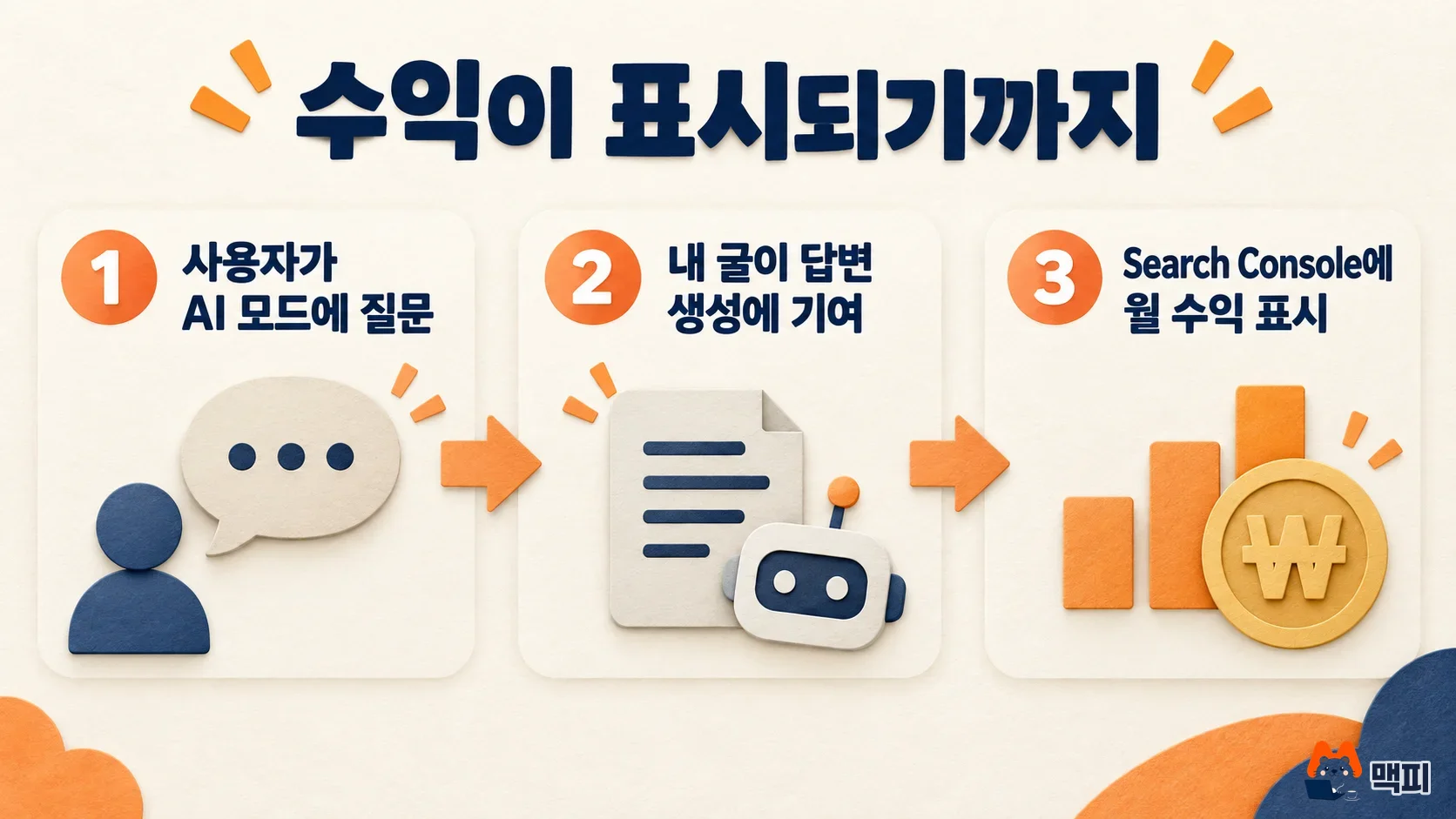
Participating sites reportedly get an AI contribution panel in Search Console showing monthly revenue and past records. The panel carries a note that actual payments may differ from the displayed amount because of taxes or regional minimum payout thresholds. A site can opt out at any time in settings.
Reportedly, you cannot see which of your articles were used in which answers, or how many times. One executive called the setup "pretty much a black box." Some publishers said the initial amounts are very small compared with ad revenue. This is the view of participating companies and not a fact confirmed by Google.
How it differs from AdSense ad revenue
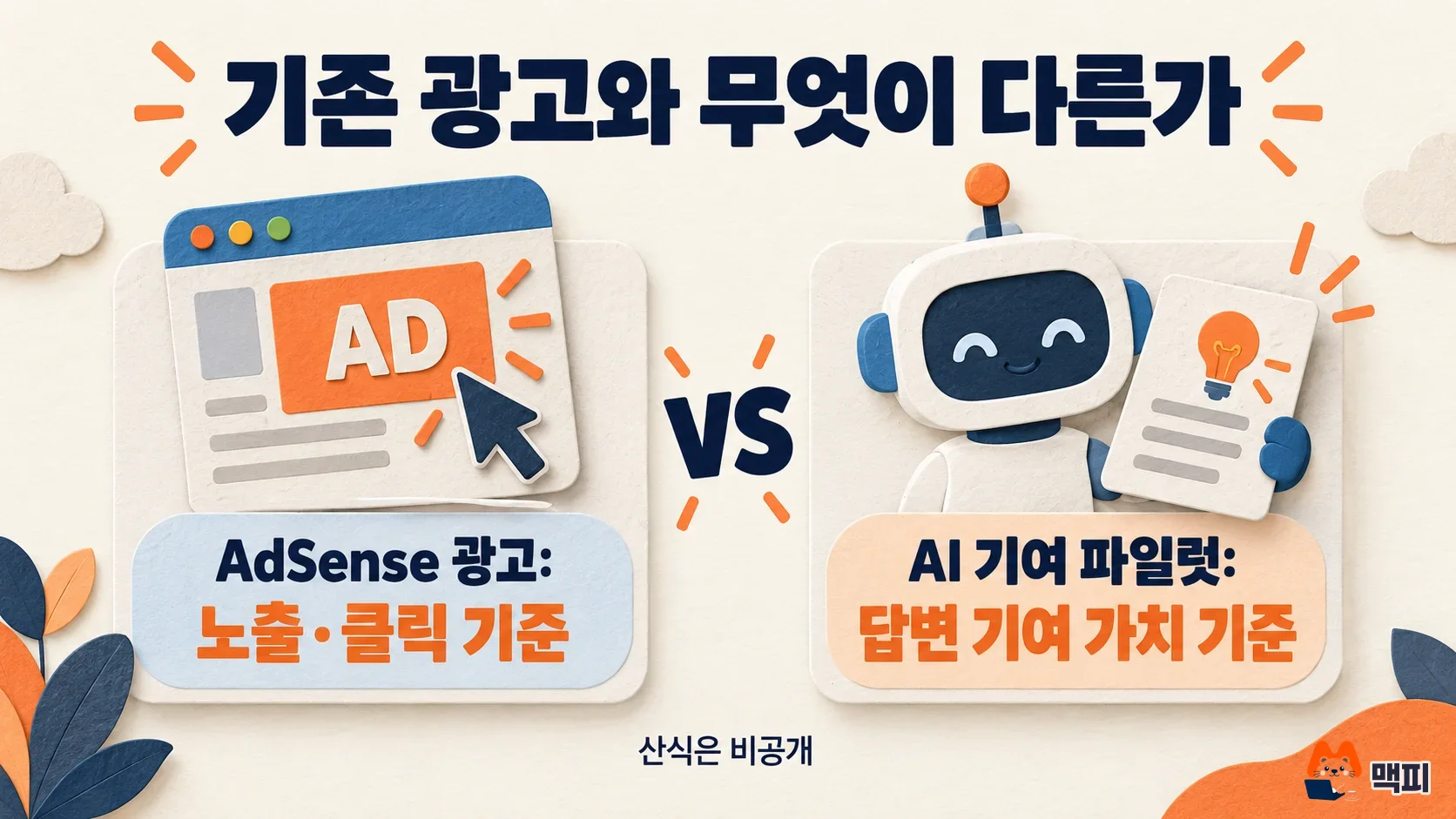
AdSense earns money when ads are shown or clicked on your pages. The AI Contribution Pilot is reportedly based on how valuable your content was in producing AI answers. The difference is that revenue can arise even when visitors never come to your site.
From here on, this is MCPY's own interpretation. MCPY does not see this program as a replacement for AdSense. Early accounts say payments are small, and the formula is unknown. Still, it matters that Google has opened a first path to pay content creators at a time when AI answers reduce clicks.
What Korean sites should check
There is no public evidence on whether Korean sites are eligible. Search Engine Journal wrote that the regions have not been confirmed. So we cannot say either "Korean sites can apply" or "Korea is excluded."
- Check Search Console: look for an AI contribution panel on your screen. If it is not there, you have not been invited.
- Check your Google email: if an invitation exists, it most likely comes through the Search Console owner account or a Google representative. This is an assumption, and no official process has been published.
- Taxes and settlement: reports say the displayed amount and the actual payment can differ. If you are a business in Korea, confirm the settlement method in the terms you receive with the invitation.
Common mistakes
- Assuming you get paid when you are cited: reports say a link citation is different from a contribution. Appearing often in answers may not make you eligible for payment.
- Believing anyone can apply: there is no public application form. Google invites sites.
- Mixing it with AdSense revenue changes: the two revenue streams have different bases. Combining them in one table makes causes hard to read.
- Setting an amount expectation: there is no published payment standard. The "small" verdict from participants is only some cases.
What to do now
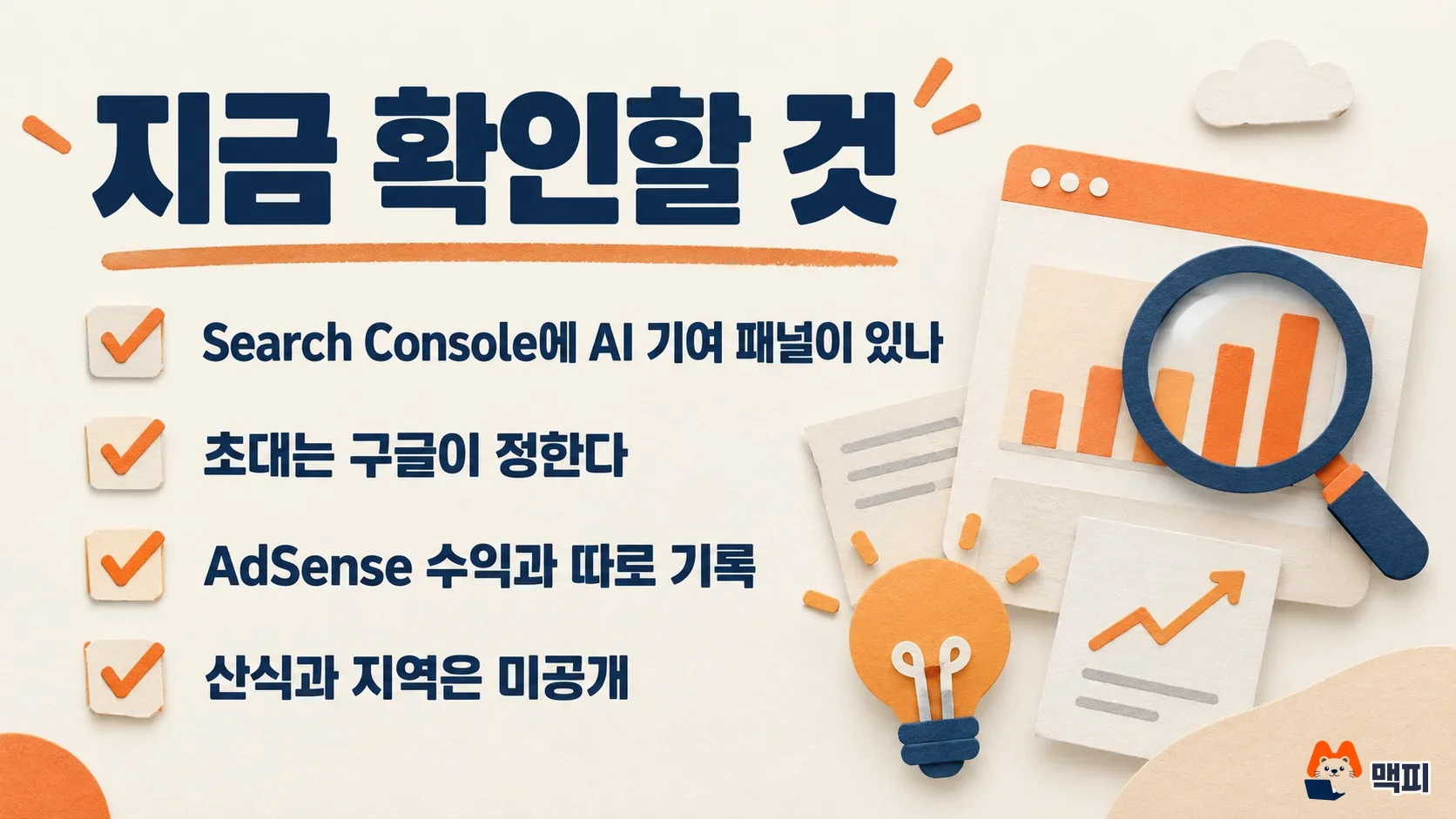
Check once whether Search Console has an AI contribution panel, and if it does, record the monthly revenue separately from AdSense. If it does not, wait. We will update this article when an official application path appears.
References
- Google Public Policy: Supporting the information ecosystem (2026-06-18)
- Digiday: Google rolls out pay-for-value AI licensing program to publishers (2026-09-14)
- Search Engine Roundtable: Google AI Contribution Pilot (2026-09-14)
- Search Engine Journal: Google tests paying publishers for AI answers via Search Console (2026-09-14)
- Techmeme: Summary of The Information report (2026-09-30, single source)
Found this useful? Share it
Related posts
Related projects
Get new posts by email
Insights on marketing, analytics, and dev, delivered to your inbox.